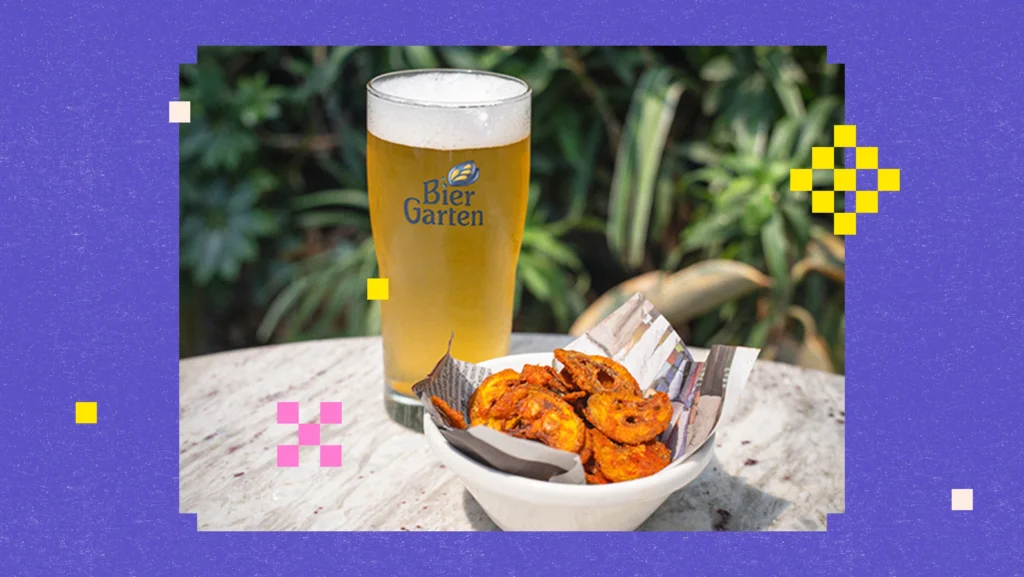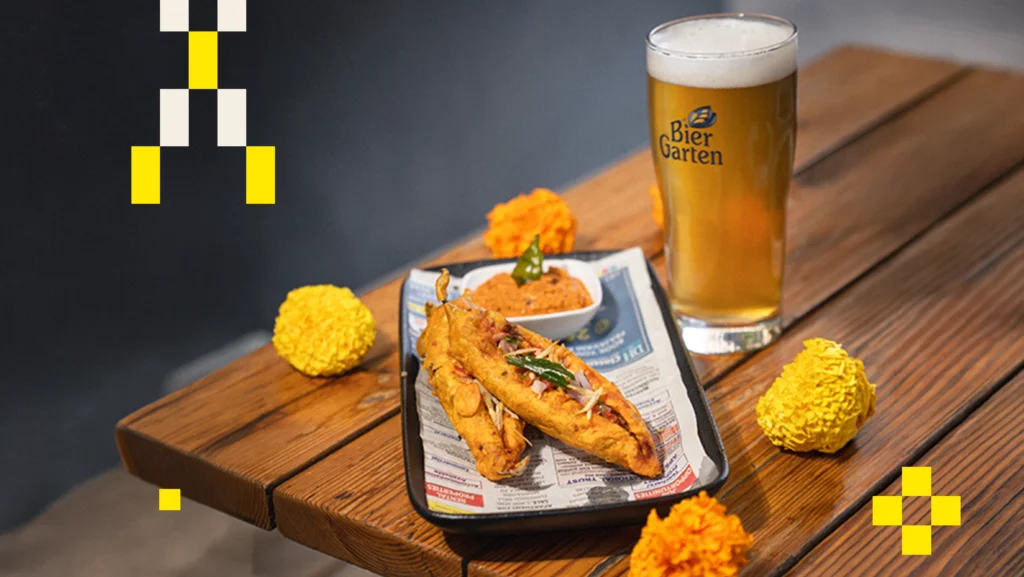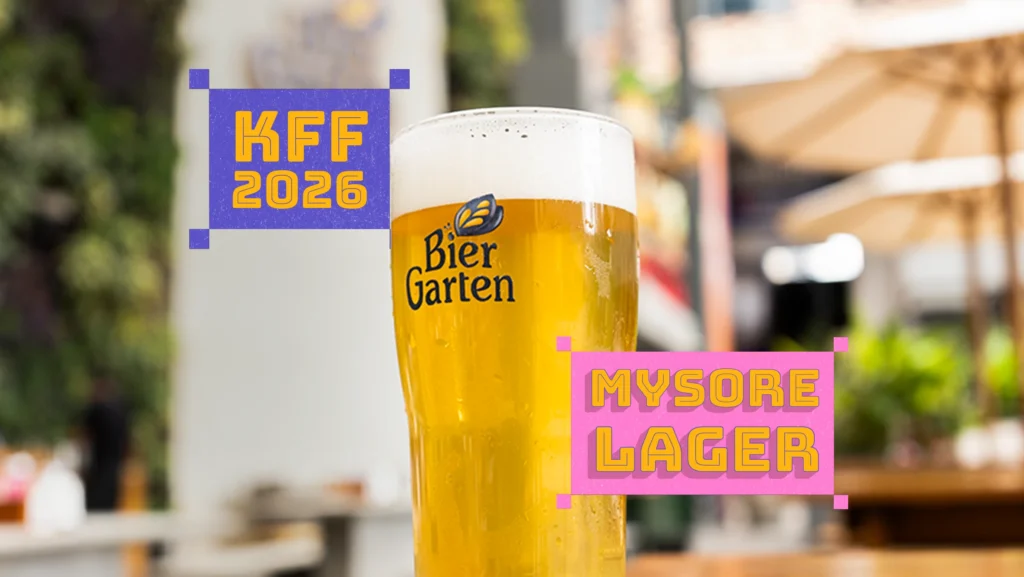









What makes a festival beer belong to the place it celebrates? Biergarten’s Karnataka Food Festival offers a documented example: a special lager created for the 2024 edition, inspired by Rajamudi red rice and a visit to Mysore. Its story starts with a regional ingredient, before the conversation reaches the glass.
That’s an interesting change from choosing a beer only by colour or strength. An ingredient can lead you towards a landscape, a food tradition and the people who use it. You don’t need a brewer’s vocabulary to appreciate that connection. A little curiosity is enough to get the conversation going.
Where did the idea for the festival lager begin?
It began with Mysore and Rajamudi. The festival’s design case study records that a trip to the city introduced the team to the red rice, historically associated with its royal food culture. That discovery inspired the special lager developed for the 2024 celebration.
Biergarten’s festival page sits within a broader commitment to regional food and locally inspired beers. The ingredient story gives that idea a concrete example: a brew connected to Karnataka through something more specific than its name.
The documented inspiration doesn’t tell us the complete recipe. It doesn’t establish the amount of rice used, the hop selection or the fermentation schedule. Those are questions for the brewing team, rather than details to fill in with a plausible-sounding answer.
How does an ingredient become part of a beer?
It has to work within a recipe. In craft beer brewing, choosing an ingredient means considering what it contributes to flavour, fermentable material and the finished drinking experience. A local connection may start the idea, but the rest of the recipe still has a job to do.
The exact treatment of rice depends on the grain and the brewing system. It would be misleading to assume that a rice-inspired lager is made simply by adding cooked rice to a finished beer. Likewise, the ingredient alone cannot tell you whether the result tastes sweet, nutty or anything else.
For someone exploring craft beer in Bangalore, that distinction is useful. A story can make you curious, while the beer in the glass tells you whether you enjoy it. There’s room for both, without pretending that the name is a tasting note.
What happens during the beer brewing process?
The basic beer brewing process turns grain-derived sugars into a fermented drink, with several decisions shaping the result. The outline below explains standard brewing principles. It isn’t a disclosure of Biergarten’s festival recipe.
How does the grain provide fermentable sugars?
During mashing, brewers combine prepared grain with water under controlled conditions. Enzymes help convert starch into sugars, producing the liquid called wort. Decisions about the grain bill influence what the brewer has available to work with.
What does boiling contribute?
The wort is boiled, and hops can contribute bitterness, flavour and aroma depending on how they’re used. Brewers then cool the wort before fermentation. Timing and ingredient choices matter, so two recipes using a similar grain can still produce different results.
Where do fermentation and conditioning fit?
Yeast converts fermentable sugars into alcohol and carbon dioxide, while also contributing flavour compounds. Fermentation conditions and subsequent conditioning help shape the finished beer. Lager production typically involves cool fermentation and cold maturation, but the exact schedule is recipe-specific.
The beer making process is therefore a series of connected choices. A regional ingredient provides a starting point; brewing turns that starting point into something guests can taste.
Why should a festival beer consider the meal?
Because a brew served alongside regional dishes becomes part of a larger experience. A delicate preparation and a rich, highly seasoned dish ask different things of the drink beside them. Balance may involve complementing a flavour, providing contrast or simply leaving the food enough room to be noticed.
Explore the food and drink offering before planning your visit, then ask about the current festival dishes and available pours. A named pairing can be helpful, but your preferences still matter. Something recommended by the team should feel like an invitation to try, not an answer you’re required to agree with.
If the festival lager is available, taste it on its own first. Then notice what changes after a bite of food. You might prefer the combination, the beer separately or a different recommendation altogether. Each response tells you something useful about your own taste.
What is worth asking the team before ordering?
Ask about availability first, particularly because the documented lager belongs to the 2024 edition. A historical festival beer shouldn’t be assumed to be on tap today. Then ask which ingredient defines the current pour and what the team suggests eating alongside it.
Biergarten has venues in Whitefield, Koramangala, Manyata and Bellandur. Check our locations and confirm the festival arrangements at the outlet you intend to visit. Availability can be more useful to establish than collecting an impressive list of tasting terms.
Ready to follow the story beyond the label?
Let the Karnataka Food Festival be a reason to ask better questions about what’s being brewed and served. At Biergarten, choose a table, explore the available menu and find out what’s pouring now. Bring an appetite for the food and a little curiosity about the glass beside it. The most interesting detail may begin with a grain you already know.